 Pin It
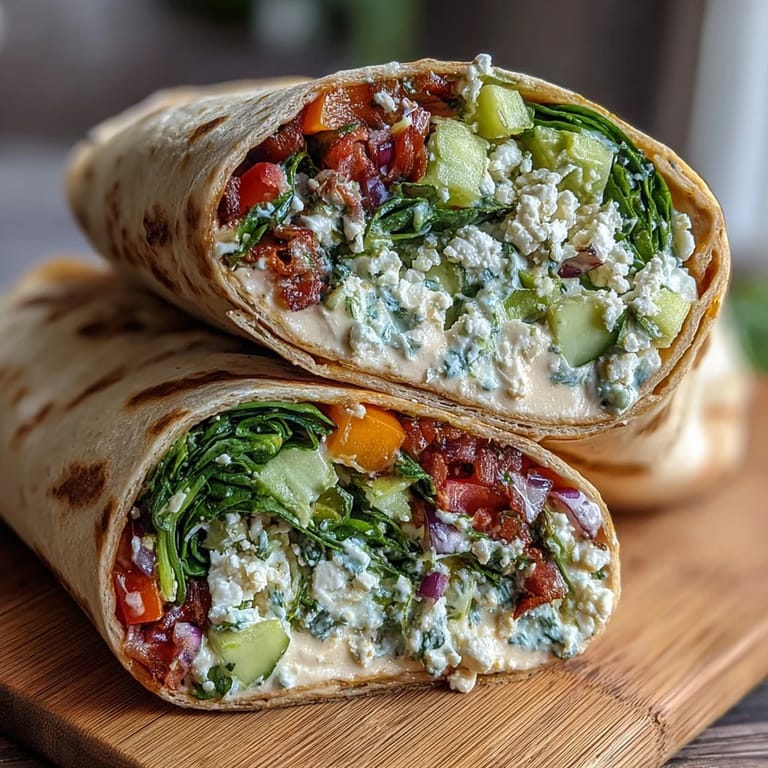
 My daughter came home from school one afternoon with a crumpled permission slip for a field trip and a worried expression about what to pack for lunch. The cafeteria options wouldn't work, and I wanted something that felt special, not like the usual sandwich routine. That's when these rainbow wraps happened—a happy accident born from rummaging through the crisper drawer and realizing that colorful vegetables stacked just right could feel like edible art. She loved unwrapping them at the picnic table, and now whenever field trip season rolls around, she requests them by name.
I made these for a potluck at work once, sliced them into pinwheels, and watched them disappear before I'd even finished arranging the platter. A coworker asked for the recipe right then and there, and I realized these weren't just lunch—they'd become something people genuinely wanted to eat. The conversations that happened around that platter taught me that sometimes the simplest food creates the warmest moments.
Ingredients
- Whole wheat tortillas: The sturdy base that actually holds everything together without falling apart halfway through eating, especially if you're transporting them.
- Hummus: This does more than spread—it acts as a moisture barrier that keeps the vegetables from making the wrap soggy, and it's flavorful enough that you won't miss heavier ingredients.
- Red bell pepper: Sweet and crisp, these add both color and a satisfying crunch that survives the roll without getting limp.
- Yellow bell pepper: Milder than red, they're the bridge between the peppers and everything else, visually and flavor-wise.
- Carrot: Julienning by hand takes a minute longer but gives you better texture than shredded; the thin matchsticks bend without breaking when you roll.
- Cucumber: Choose smaller, firmer ones because the watery kind will weep into everything—a lesson I learned the messy way.
- Purple cabbage: Thinly shredded, it brings a subtle sweetness and holds its crispness through the whole day, even in a lunchbox.
- Baby spinach: Tender enough to roll without fighting back, and it fills gaps where other vegetables might leave air pockets.
- Fresh herbs: Optional but worth it—parsley adds freshness while cilantro brings an unexpected brightness that makes people ask what the secret ingredient is.
- Avocado: If using it, slice just before assembly so it doesn't brown, and tuck it near the center where it won't peek out and oxidize.
- Feta cheese: A sprinkle of this adds a salty, creamy note that makes the whole thing feel more intentional and less like you just threw vegetables on a tortilla.
Tired of Takeout? 🥡
Get 10 meals you can make faster than delivery arrives. Seriously.
One email. No spam. Unsubscribe anytime.
Instructions
- Prepare your workspace:
- Lay your tortilla on a clean, dry surface—moisture is the enemy of good rolling. Have all your vegetables prepped and arranged within arm's reach so you're not hunting while the tortilla sits there getting cold and less pliable.
- Spread the hummus base:
- Use the back of a spoon to spread one tablespoon evenly across the tortilla, leaving about half an inch from the edges. This creates a thin, even layer that holds everything without overwhelming the vegetables.
- Build your rainbow:
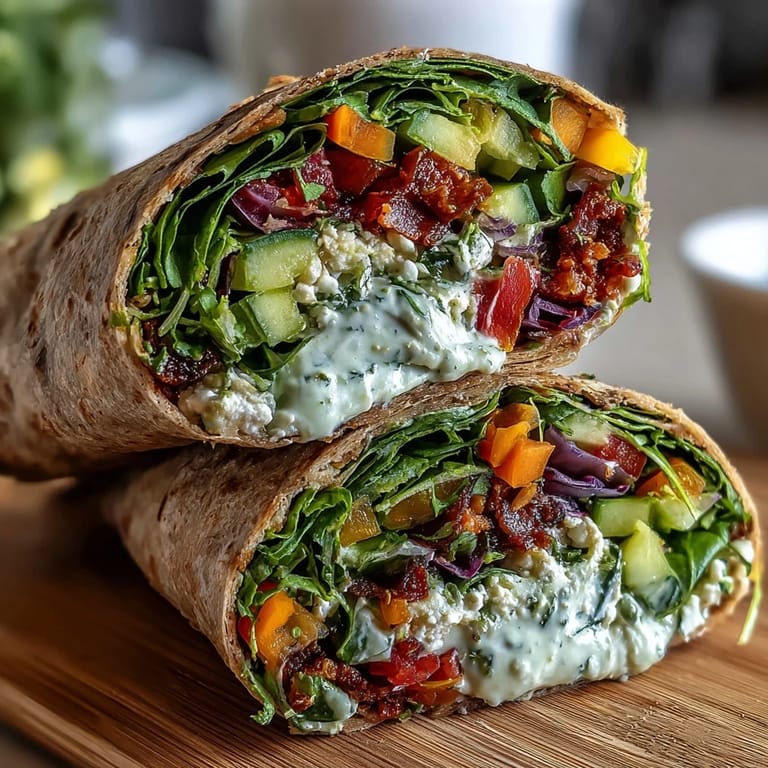
- Arrange the peppers, carrot, cucumber, and cabbage in horizontal rows across the center third of the tortilla, keeping each vegetable in its own lane. The purple cabbage and spinach fill in the gaps and keep everything from sliding around.
- Add optional extras:
- Sprinkle herbs, arrange avocado slices, and crumble feta across the top in whatever pattern pleases you. There's no wrong way here—it's about making something that looks as good as it tastes.
- Roll with intention:
- Fold the left and right sides of the tortilla inward about two inches, then starting from the bottom, roll tightly toward the top while tucking the filling in as you go. A snug roll stays together; a loose one becomes a vegetable scatter on someone's lap.
- Finish and transport:
- Slice each wrap diagonally—it looks nicer and the cut creates two stable pieces. Wrap in parchment paper or foil while still warm; the wrap seals better that way and stays fresher longer.
 Pin It
 My son took one of these wraps on a camping trip and called me from the campsite to say he'd eaten it without any of the vegetables falling out—and he sounded genuinely proud of that fact. That's when I knew these wraps had crossed over from being just a convenient lunch into being something that actually gave people confidence.
Why Fresh Vegetables Make the Difference
The texture contrast in these wraps is everything, and that only works when the vegetables are genuinely fresh. A slightly tired bell pepper goes soft when you cut it, and the whole thing suffers. I learned to shop with my hands, squeezing peppers and carrots gently before buying—vegetables that have some firmness to them will stay snappy through lunch, while the limp ones will collapse into mush by noon.
The Hummus as a Secret Ingredient
Most people think hummus is just something you dip vegetables into, but it's actually a genius structural component in wraps. It's thick enough to prevent moisture from seeping into the tortilla but spreadable enough to coat evenly without tearing delicate wraps. Beyond that, it brings protein and flavor without adding weight, which is why these wraps feel light and wholesome rather than heavy and overstuffed.
Making These Work for Any Occasion
These wraps have shown up at lunches, picnics, and even been sliced into party appetizers with surprising success. The beauty is that you can customize them endlessly without changing what makes them work—swap the hummus flavor, add grilled chicken or crispy tofu, use different cheeses, or experiment with various herbs. The structure stays solid and the result always feels fresh and intentional.
- For a protein boost, layer thin slices of grilled chicken or marinated tofu directly onto the hummus before adding vegetables.
- Make these the night before for meal prep and store them wrapped in parchment at the coldest part of your fridge, where they'll stay fresh for up to two days.
- If you're serving these at a gathering, keep the wraps assembled but uncut until just before people arrive, then slice them diagonally for maximum visual appeal.
 Pin It
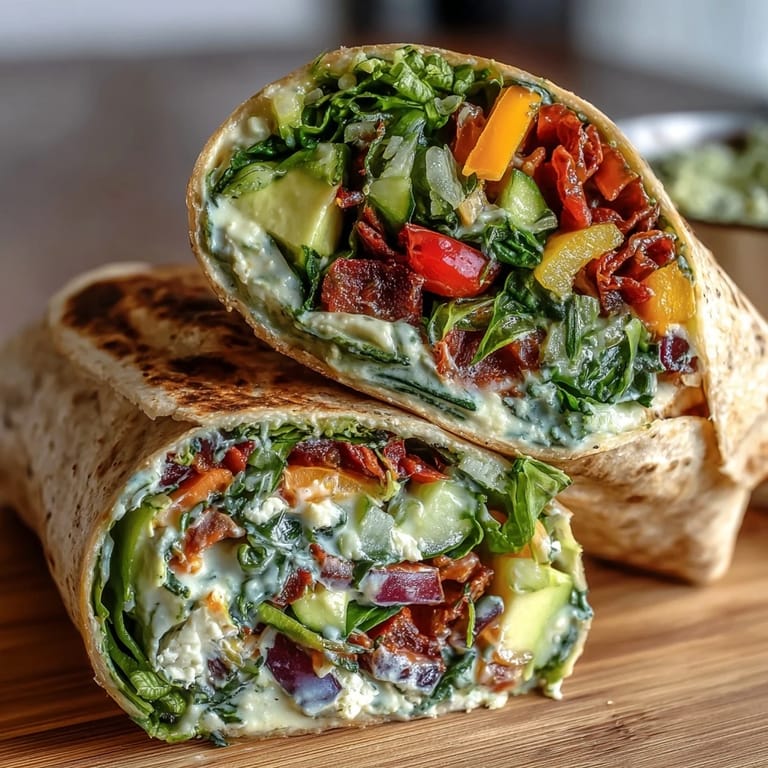
 These rainbow wraps have become my go-to solution whenever someone asks what I'm bringing, whether it's because they're genuinely good or because they're colorful enough to make people smile when they open the container. Either way, that's pretty much the definition of a recipe worth keeping.
Recipe Questions & Answers
- → What vegetables are best for these wraps?
Bell peppers, carrots, cucumber, purple cabbage, and baby spinach create a colorful and crisp combination perfect for these wraps.
- → Can I substitute the hummus spread?
Yes, consider using cream cheese or a dairy-free spread to suit dietary preferences or allergens.
- → How do I keep the wraps from becoming soggy?
Spread hummus evenly and avoid overly wet vegetables; wrapping tightly and serving soon after assembling helps maintain freshness.
- → What optional add-ons enhance flavor?
Avocado slices and crumbled feta cheese introduce creamy texture and tangy notes that complement the veggies.
- → Are these wraps suitable for a nut-free diet?
Yes, the ingredients are nut-free, but always check spreads like hummus for sesame content if allergies are a concern.