 Pin It
 There's something about the first warm weekend of spring that makes you want to cook something bright and alive. I was standing at the farmers market last April, drawn to a pile of fresh mint so fragrant it seemed to perfume the entire stall, when the vendor mentioned she always pairs it with peas and rice. That simple suggestion stuck with me, and I went home determined to turn it into something special for a casual Easter dinner I was hosting.
I made this for the first time on a rainy Sunday afternoon, and something unexpected happened: my kitchen filled with this incredible aroma the moment the mint hit the warm rice. My neighbor actually knocked on the door thinking something was burning, but all she found was me grinning over a pot of the most fragrant pilaf. That's when I knew this recipe was keeper material.
Ingredients
- Long-grain white rice: Basmati or jasmine work beautifully here because they stay separate and don't get mushy, letting each grain shine.
- Low-sodium vegetable broth: This is your base, so taste it first to make sure it's something you'd actually want to drink.
- Fresh or frozen spring peas: Frozen peas are honestly just as good as fresh and sometimes better because they're picked at peak ripeness.
- Unsalted butter: Two tablespoons might seem small, but it's what carries all those delicate flavors through the rice.
- Yellow onion: This softens into the rice almost invisibly, adding sweetness and depth you can't quite name.
- Garlic: Just two cloves keep things subtle so the mint stays the star.
- Fresh mint leaves: Buy more than you think you need because half will disappear while you're chopping, mostly into your mouth.
- Lemon zest: A teaspoon adds brightness without making the dish taste sour or overdone.
- Salt and pepper: Always taste before seasoning fully because broth varieties vary wildly in saltiness.
Tired of Takeout? 🥡
Get 10 meals you can make faster than delivery arrives. Seriously.
One email. No spam. Unsubscribe anytime.
Instructions
- Rinse your rice like you mean it:
- Run cold water over the rice and stir it with your fingers until the water runs almost clear. This removes excess starch so your grains stay fluffy instead of turning into mush.
- Build flavor with butter and aromatics:
- Melt the butter over medium heat, add the onion, and let it soften for 2–3 minutes until it's golden and translucent. You'll know it's ready when the smell shifts from sharp and raw to something sweet and caramelized.
- Toast the garlic briefly:
- Add minced garlic and cook for just 30 seconds, stirring constantly so it doesn't burn and turn bitter. That half minute makes all the difference between raw garlic bite and mellow, cooked flavor.
- Coat the rice evenly:
- Stir the rinsed rice into the butter and aromatics, making sure every grain gets coated. This seals the outside of each grain so it won't absorb too much liquid.
- Bring broth to a boil:
- Pour in the broth, add salt and pepper, and bring everything to a rolling boil. Listen for that moment when the bubbles start sound urgent and insistent.
- Simmer low and covered:
- Reduce heat to low, cover the pot, and let it steam undisturbed for 15 minutes. Resist the urge to peek; steam escaping means liquid escaping.
- Add peas and finish cooking:
- Stir in the peas straight from the freezer (no need to thaw), cover again, and cook for 5 more minutes until the rice is tender and all the liquid is absorbed. The peas will warm through gently without turning mushy.
- Let it rest and fluff:
- Remove from heat, cover, and let it sit for 5 minutes. This finishing rest lets everything settle and allows the rice to firm up slightly. Fluff with a fork using gentle, upward strokes rather than stirring, which can make rice gummy.
- Finish with fresh herbs and zest:
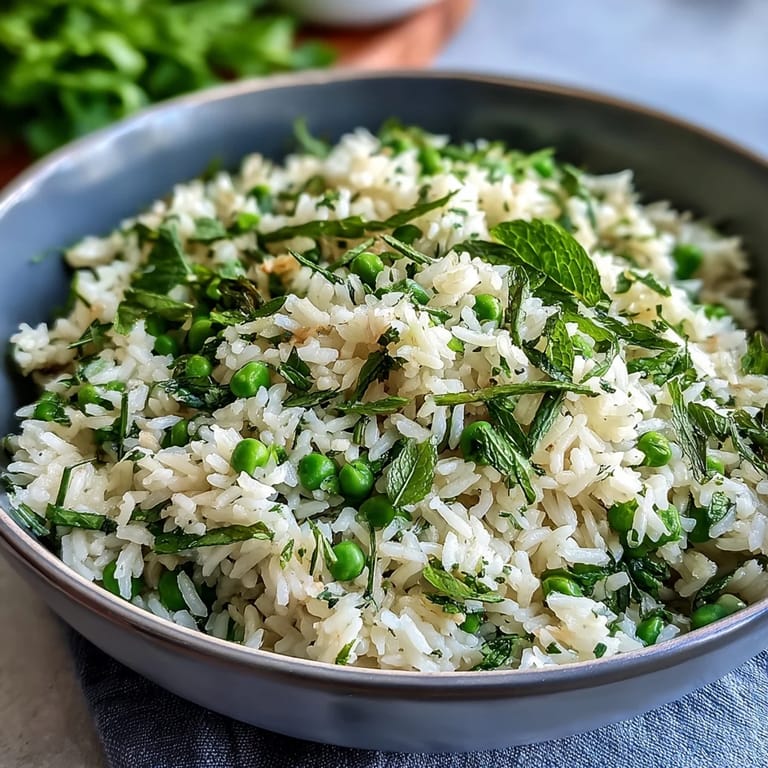
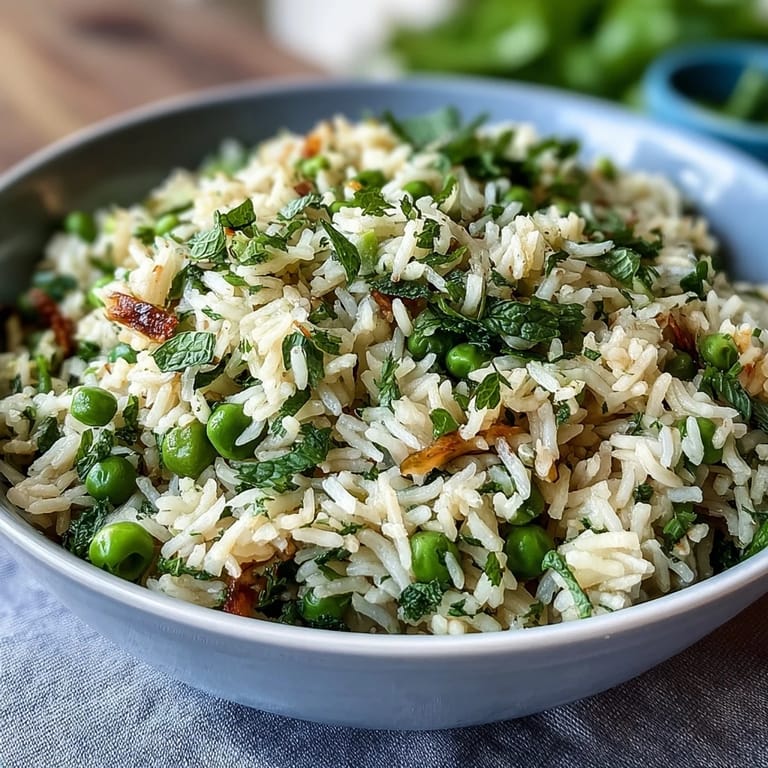
- Stir in the mint, parsley if using, and lemon zest while the rice is still warm so the herbs release their oils. Taste one more time and adjust salt and pepper to your preference.
 Pin It
 I served this alongside a spiral-sliced ham for a small family gathering, and everyone went quiet for a moment before asking for seconds. That mint and lemon combination made something so simple feel almost fancy, like the kind of side dish you'd be served at a proper restaurant.
How to Make This Work with Your Dinner
This pilaf pairs beautifully with roasted chicken, grilled fish, or lamb, but it's also completely happy standing alone as a light lunch. I've learned that it works best alongside proteins where you want the rice to shine rather than compete, so save it for dishes where subtlety matters.
What Happens When You Make Substitutions
I once made this with half olive oil instead of all butter because that's what I had open, and honestly, it was lighter and tasted like summer. Scallions swapped in for mint once when my mint plant got overzealous and flowering, and while different, it was just as good in its own way. The beauty of this recipe is that it's flexible enough to bend with what you have on hand without breaking.
Storage and Reheating Tips
This pilaf actually tastes better the next day once the flavors have had time to get to know each other, which makes it perfect for meal prep. Gently warm it in a saucepan with a splash of broth to restore moisture, or eat it chilled on a hot day alongside something cool like cucumber salad.
- Store leftovers in an airtight container in the refrigerator for up to three days.
- To reheat, add a tablespoon or two of broth and warm gently over low heat, stirring occasionally.
- Fresh mint can be stirred in again after reheating if it wilted during storage.
 Pin It
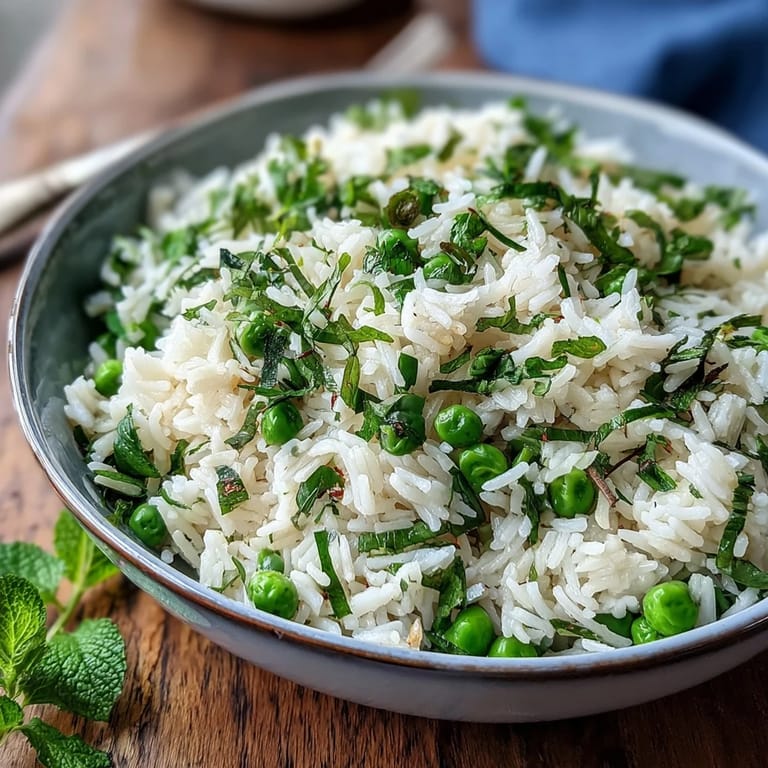
 This pilaf reminds me that the best recipes aren't always the most complicated ones, but the ones that respect their ingredients enough to let them speak. Once you make it, it becomes the kind of side dish you find yourself reaching for again and again.
Recipe Questions & Answers
- → Can I use frozen peas instead of fresh?
Yes, frozen peas can be added directly from the freezer during the last cooking minutes without thawing.
- → What type of rice works best for this pilaf?
Long-grain varieties like basmati or jasmine yield a fluffy texture ideal for this dish.
- → Is it possible to make this dish vegan?
Substitute the butter with plant-based alternatives or olive oil to create a vegan version.
- → How should the lemon zest be prepared?
Use a fine grater or zester to remove only the yellow outer skin, avoiding the bitter white pith.
- → Can I add other herbs for flavor variation?
Chopped parsley, scallions, or chives complement the mint and enhance herbal notes.
- → What is the best way to reheat leftovers?
Gently reheat with a splash of vegetable broth in a covered pan to retain moisture and flavor.