 Pin It
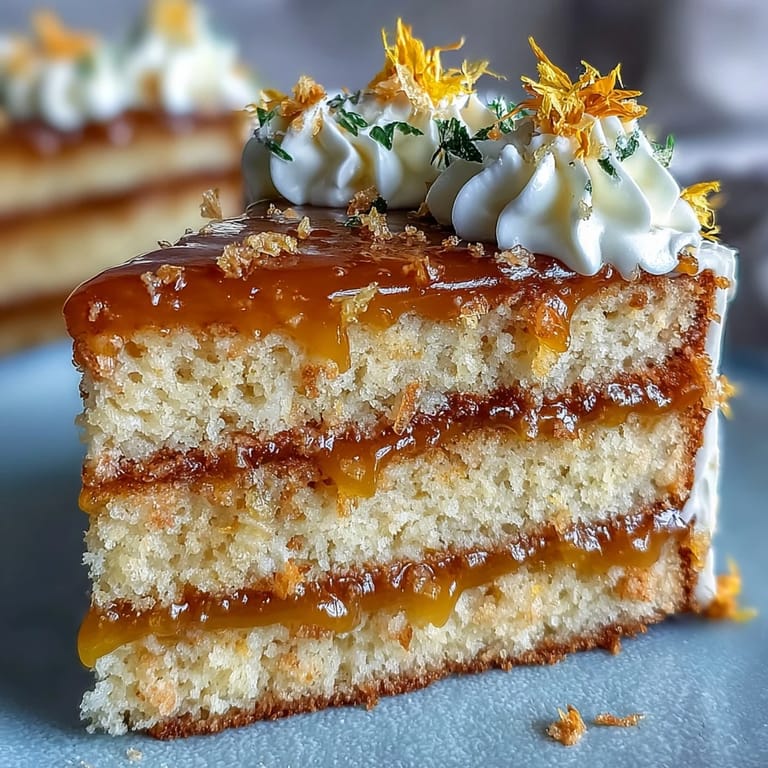
 The sharp scent of lemon always seems to fill the kitchen with a kind of light, and that&aposs exactly what happened the first time I attempted this Lemon Curd Layer Cake. I was halfway through zesting bright yellow lemons when my playlist shuffled to one of my mom&aposs old favorites, instantly transforming a regular baking afternoon into something quietly special. The sponge layers felt soft under my fingertips, and assembling the cake—well, let&aposs just say the whipped cream found its way onto a spoon more often than I intended. Decorating with edible flowers felt almost meditative, like tucking tiny bouquets into fresh blankets of snow. Making this cake is just as much about the little joyful acts in the kitchen as it is about the final slice.
One Mother&aposs Day, the cake became a centerpiece not just for sweetness, but for gentle laughter and soft background chatter as we all debated whether pansies or roses were more photogenic. I remember my youngest niece carefully choosing flowers for the top, naming each one as if it were a character in a story, while someone else sneaked spoonfuls of lemon curd behind my back. Later, as the last rays of daylight slid through the window, we silently agreed that this sunshine-y cake had earned its place on the table.
Ingredients
- All-purpose flour: Provides the cake&aposs tender crumb; sift it if you want a lighter, airier sponge.
- Baking powder & baking soda: Lifts the sponge for an even rise; never skip checking their freshness.
- Salt: Just a pinch balances all the lemon&aposs bright acidity.
- Unsalted butter: Room temperature butter creams best, giving you that fluffy, melt-in-your-mouth texture.
- Granulated sugar: Adds sweetness and helps aerate the sponge—don&apost rush the creaming step.
- Eggs: Room temperature eggs blend more smoothly and don&apost seize the batter.
- Lemon zest & juice: The real star; zest before you juice to avoid awkward slippery lemons.
- Vanilla extract: A couple drops take away any eggy notes in the sponge.
- Whole milk: Room temp again—helps the batter mix evenly (cold milk can make the butter clump).
- Heavy cream: Chill your bowl and beaters for cloud-like whipped cream.
- Powdered sugar: Dissolves easily into the cream for sweet, smooth frosting.
- Edible flowers: Triple check they&aposre food-grade—sometimes the prettiest pansy is hiding a garden secret.
Tired of Takeout? 🥡
Get 10 meals you can make faster than delivery arrives. Seriously.
One email. No spam. Unsubscribe anytime.
Instructions
- Prep Your Pans & Oven:
- Grease and line three 8-inch round pans, letting the parchment circle fit just so—this little prep makes sure your layers release without any heartbreak.
- Mix Your Dry Ingredients:
- Whisk flour, baking powder, soda, and salt together; start to catch that familiar floury cloud that signals cake is on the way.
- Cream Butter and Sugar:
- Beat softened butter and sugar at medium speed til pale and fluffy—close your eyes, it should smell a bit like sunshine.
- Add Eggs & Flavors:
- Mix in eggs, one by one, watching the batter thicken as you add lemon zest, juice, and vanilla.
- Combine Wet & Dry:
- Alternate flour mixture and milk, folding with a gentle hand; stop just when combined or the cake won&apost be as soft.
- Bake:
- Divide batter, smooth the tops—bake until golden and a toothpick comes out clean, usually 25-28 minutes.
- Cool:
- Let cakes rest in pans for 10 minutes; then turn out onto racks and let cool completely, resisting the urge to poke.
- Make the Lemon Curd:
- Whisk eggs, sugar, zest, and juice in a saucepan, stirring until it thickens and coats a spoon; stir in butter for gloss, cover directly, and chill.
- Whip the Cream:
- Beat cold cream, powdered sugar, and vanilla until thick peaks form—steadiness helps, but I love to finish by hand for control.
- Layer and Assemble:
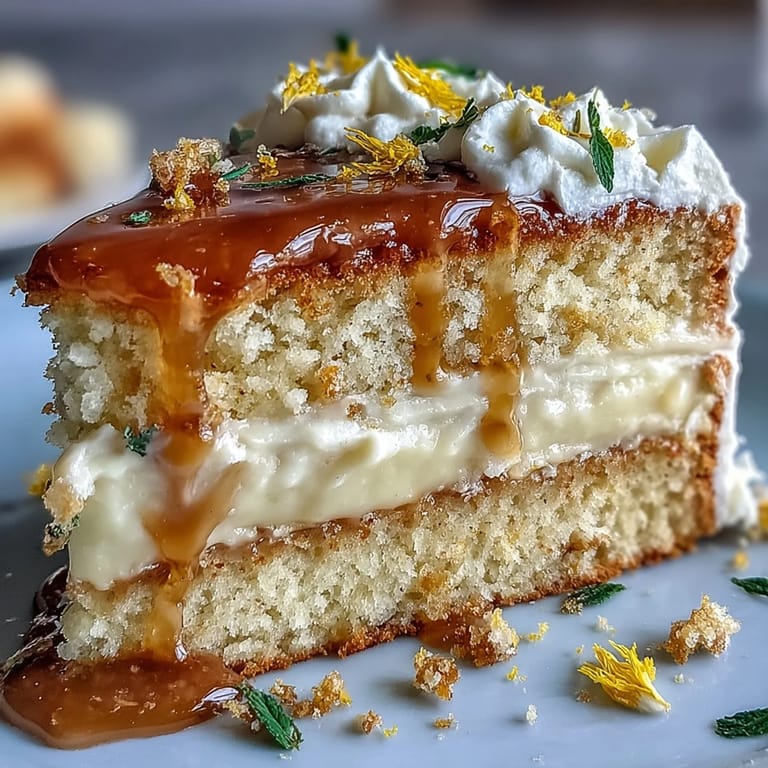
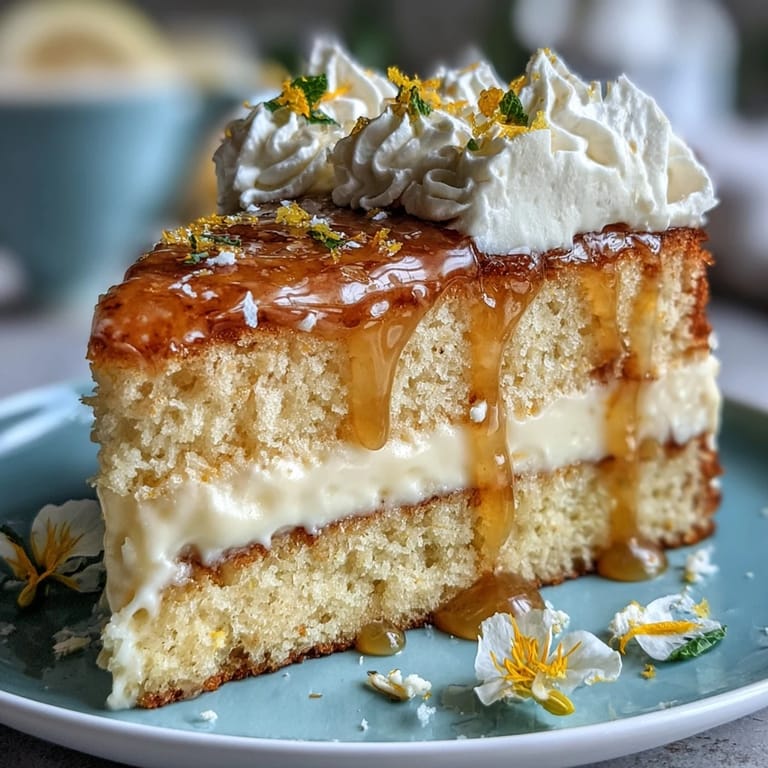
- Set one cake round on your plate, spread whipped cream, top with lemon curd, and repeat. Frost top and sides with remaining cream.
- Flower Power:
- Just before serving, decorate generously with edible flowers, letting instinct (and little helping hands) guide you.
 Pin It
 Last spring, after assembling the final cake, I found myself pausing before adding the flowers—it wasn&apost about perfection, but celebrating all that freshness and color. That afternoon, watching neighbors wander past the open window and catch a whiff of sugar and lemon, was when I realized this dessert has a way of turning any day a little more celebratory.
How to Choose and Prep Edible Flowers
I learned the hard way how essential it is to source edible flowers from reputable places—no one wants a dish that&aposs picture-perfect but unsafe. Wash the petals gently, pat them dry, and pluck away any rough or bitter bits, only choosing the youngest, freshest blooms for the top of your creation.
Lemon Curd Secrets for Silky Layers
My first attempts at lemon curd were too runny until I realized the importance of patience—cooking low and slow, with constant stirring, is worth it. Covering the hot curd so plastic wrap touches its surface means no weird skin forms, and chilling lets it thicken just right for spreading between the sponge.
Assembly Tricks That Make All the Difference
When stacking the layers, turning the bottom of each layer skyward gives you a perfectly flat surface for spreading the cream. I like to keep an extra damp cloth nearby for sticky fingers—inevitable, but part of the fun. If the edges look rustic rather than bakery-perfect, just call it homemade charm and serve it with a wink.
- Chill the assembled cake for 20 minutes before slicing for cleaner cuts.
- Don&apost skimp on the whipped cream—it&aposs the glue and the magic.
- Use extra lemon curd as a drizzle on individual slices if you have some left.
 Pin It
 Baking this cake isn&apost just about dessert—it&aposs about bringing people together for slices, smiles, and maybe a little sticky-fingered flower arranging. Here&aposs to celebrating loved ones with something beautiful and bright, no matter the day.
Recipe Questions & Answers
- → Which lemons work best for the curd?
Meyer lemons give a sweeter, floral note, while regular lemons (Eureka or Lisbon) provide a bright, tart flavor. Use freshly zested fruit for the clearest lemon aroma.
- → How can I prevent the curd from scrambling?
Cook over low to medium heat and whisk constantly. Remove from heat as soon as it thickens and coats the back of a spoon. For extra insurance, temper the eggs by whisking a small amount of hot mixture into the egg mix before returning to the pan, then strain the curd before chilling.
- → What keeps whipped cream stable between serving and assembly?
Chill the bowl and beaters, use cold heavy cream and powdered sugar, and whip to firm peaks. For longer hold, fold in a little mascarpone or a light gelatin stabilizer; avoid overbeating to prevent graininess.
- → Can I assemble the layers ahead of time?
Yes. Bake layers and make curd a day ahead; store separately chilled. Assemble and chill to let flavors meld, but add delicate edible flowers just before serving to retain freshness and color.
- → How should I choose and prepare edible flowers?
Only use flowers labeled food-grade and pesticide-free (pansies, violas, nasturtiums, rose petals). Rinse gently, pat dry, and trim any bitter stamens. Verify source before use.
- → Will adding berries between layers make the cake soggy?
You can add fresh berries for brightness—lightly macerate with a touch of sugar and drain excess liquid, or use whole berries to minimize added moisture and keep layers intact.