 Pin It
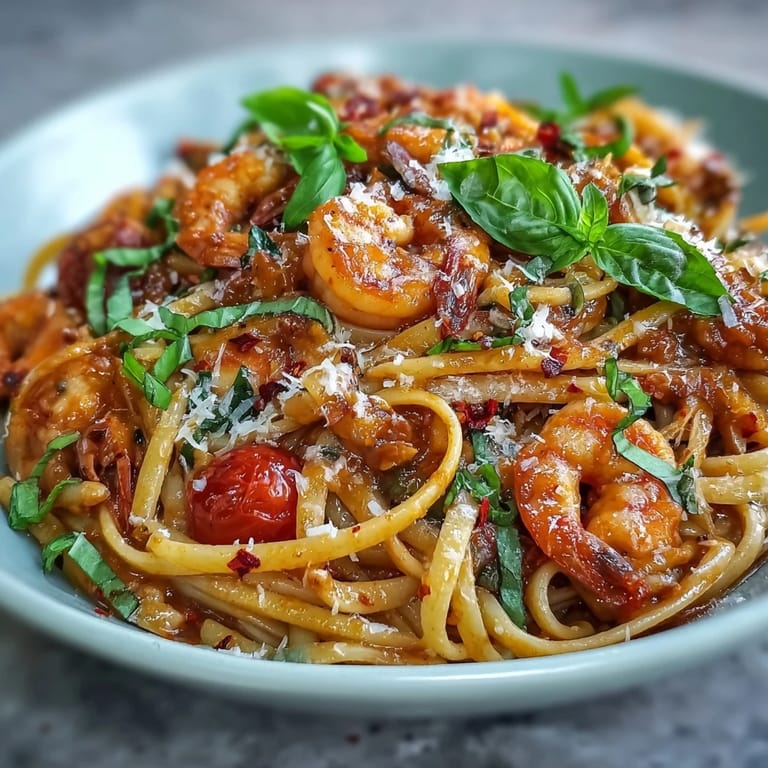
 My neighbor once poured herself a glass of Chianti while I was testing this recipe, swirled it, and said it smelled exactly like what was bubbling in my skillet. That's when I knew this dish worked. The wine doesn't just cook into the sauce, it becomes the sauce, mingling with sweet tomatoes and garlic until everything tastes a little reckless and a lot delicious. It's the kind of dinner that makes your kitchen smell like a tiny trattoria tucked into a back alley somewhere you've never been but wish you had.
I made this for a friend who swore she didn't like spicy food, then watched her go back for seconds and ask if I'd added something secret. The secret was just heat, time, and a willingness to let the pan get loud. She left with the recipe scribbled on a napkin and a promise to buy better wine next time she cooked it.
Ingredients
- Spaghetti or linguine: Go for something with enough surface area to grab onto that bold sauce, al dente is your friend here because it will finish cooking in the skillet.
- Extra-virgin olive oil: This is your base, so use one that tastes good enough to dip bread into, it sets the tone for everything that follows.
- Yellow onion: Thinly sliced so it softens fast and turns sweet under the heat, becoming part of the sauce rather than a chunky add-in.
- Garlic cloves: Minced fine so they bloom in the oil without burning, filling your kitchen with that unmistakable sharp-sweet smell.
- Red pepper flakes: Adjust based on your courage, they build warmth slowly and make the whole dish feel a little daring.
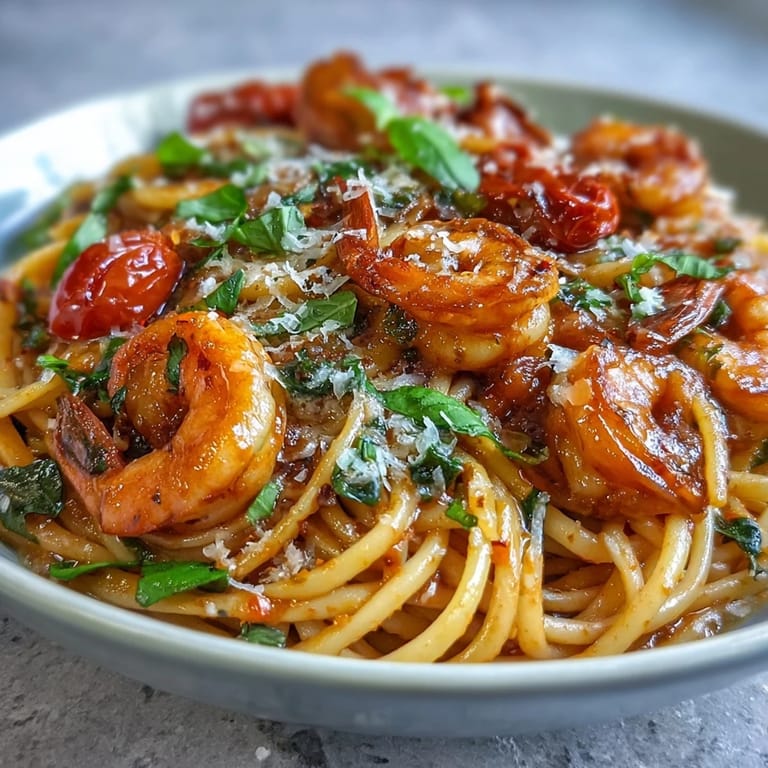
- Italian sausage or shrimp: Sausage brings fat and spice, shrimp brings sweetness and speed, either one turns this into a full meal.
- Cherry tomatoes: Halved so they burst and bleed into the sauce, adding little pockets of bright acidity.
- Tomato paste: Deepens the color and adds a concentrated richness that balances the wine's sharpness.
- Dry red wine: Chianti or Sangiovese work beautifully, tangy and fruit-forward, they deglaze the pan and become the soul of the sauce.
- Soy sauce: A surprise ingredient that adds umami depth and makes everything taste a little more complex than it should.
- Worcestershire sauce: Another layer of savory funk that ties the Italian and Asian notes together without announcing itself.
- Balsamic vinegar: Just a teaspoon to brighten and round out the acidity, it works quietly in the background.
- Fresh basil: Torn roughly and stirred in at the end so it stays green and aromatic, never soggy or dull.
- Parsley: Chopped fresh for a clean, grassy note that lifts the richness.
- Parmesan cheese: Grated and melted into the pasta so every bite has a salty, nutty finish.
Tired of Takeout? 🥡
Get 10 meals you can make faster than delivery arrives. Seriously.
One email. No spam. Unsubscribe anytime.
Instructions
- Boil the pasta:
- Bring a large pot of salted water to a rolling boil and cook your pasta until it still has a little bite, just shy of tender. Reserve a cup of that starchy pasta water before draining, it will help the sauce hug the noodles later.
- Heat the skillet:
- While the pasta bubbles away, heat a large skillet over medium-high and add the olive oil, swirling it around until it shimmers. This is your canvas.
- Soften the onion:
- Toss in the sliced onion and let it sizzle for 2 to 3 minutes, stirring occasionally until it starts to go translucent and sweet. Add the garlic and red pepper flakes, stirring constantly for about 30 seconds until the kitchen smells like possibility.
- Cook the protein:
- If using sausage, crumble it into the pan and cook for 5 to 7 minutes, breaking it into smaller pieces as it browns and renders its fat. If using shrimp, cook them for 2 to 3 minutes per side until they turn pink and curl up, then set them aside briefly if the pan gets crowded.
- Add tomatoes and paste:
- Stir in the cherry tomatoes and tomato paste, letting them cook for about 2 minutes. Use your spoon to gently mash some of the tomatoes so they release their juices and start to meld into a chunky sauce.
- Deglaze with wine:
- Pour in the red wine and scrape up all those caramelized bits stuck to the bottom of the pan, they are pure flavor. Let it simmer for 2 to 3 minutes until the wine reduces by about half and the alcohol smell mellows into something round and fruity.
- Season the sauce:
- Stir in the soy sauce, Worcestershire, and balsamic vinegar, tasting as you go. Adjust with salt, pepper, or more red pepper flakes depending on how bold you want it to be.
- Toss the pasta:
- Add the drained pasta directly to the skillet and toss everything together, adding reserved pasta water a few tablespoons at a time until the sauce clings to each strand without pooling at the bottom. The starch in that water is magic.
- Finish with herbs and cheese:
- Remove the pan from the heat and fold in the torn basil, chopped parsley, and grated Parmesan, stirring until the cheese melts and everything looks glossy. Taste one more time and tweak if needed.
- Serve:
- Divide the pasta among bowls and garnish with extra basil, a little more Parmesan, sliced red chili if you are feeling brave, and a wedge of lemon for brightness.
 Pin It
 The first time I served this at a dinner party, someone asked if I had taken a cooking class in Italy. I had not. I had just learned to trust wine, garlic, and a hot pan. That compliment still makes me smile every time I tear open a package of pasta.
Choosing Your Protein
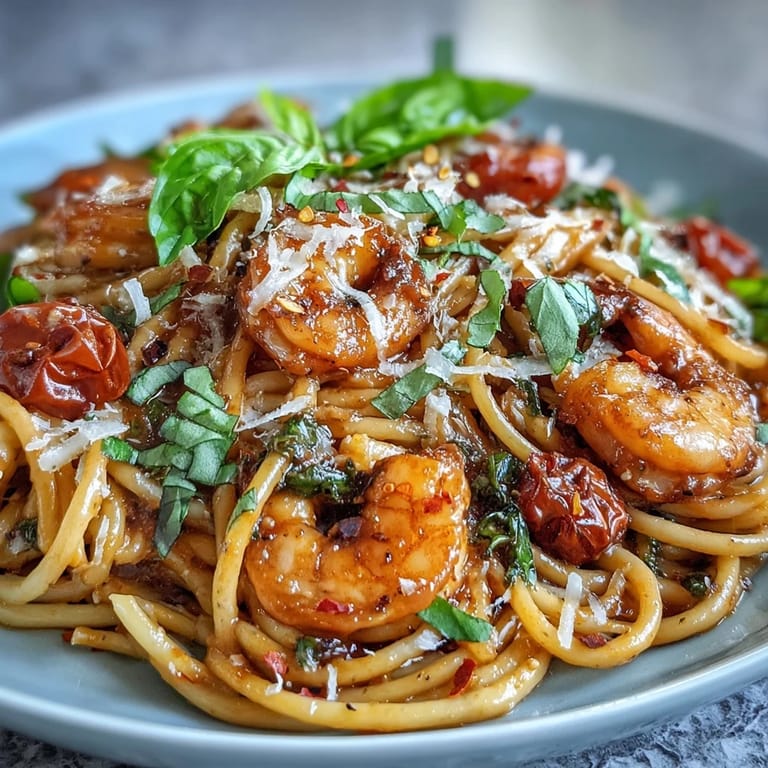
Sausage gives you richness and a little grease that becomes part of the sauce, while shrimp keeps things lighter and cooks in half the time. I have also used sautéed mushrooms when I wanted something earthy and vegetarian, and marinated tofu when I had a friend who could not eat meat. All of them work because the sauce is strong enough to carry whatever you add. Pick based on your mood or what is already in your fridge.
Wine Matters More Than You Think
I once used a wine I would not drink on its own, thinking it would be fine once cooked down, and the whole dish tasted sour and flat. Now I use something I would actually pour into a glass, Chianti or Sangiovese are perfect because they are fruity and bright without being too heavy. If you would not sip it, do not cook with it. The wine becomes the backbone of this sauce, so treat it with respect.
Storing and Reheating
Leftovers keep well in the fridge for up to three days, though the pasta will soak up some of the sauce as it sits. When reheating, add a splash of water, wine, or even a little olive oil to bring back that glossy texture. I usually reheat it gently in a skillet rather than the microwave because it tastes more like the original that way.
- Store in an airtight container to keep the basil from wilting too much.
- Reheat on the stovetop over medium-low heat, stirring often to prevent sticking.
- If the sauce has thickened too much, a few tablespoons of water or broth will loosen it right up.
 Pin It
 This is the kind of recipe that makes you look like you know what you are doing, even if you are winging it. It is messy, bold, and a little unpredictable, which is exactly how the best dinners should feel.
Recipe Questions & Answers
- → What makes Italian drunken noodles unique?
The fusion combines Italian pasta and Chianti wine with Asian-inspired soy sauce and bold spices, creating a distinctive wine-kissed tomato sauce with umami depth.
- → Can I make this vegetarian?
Yes, simply omit the sausage or shrimp and substitute sautéed mushrooms or marinated tofu for protein while keeping all the flavorful sauce elements.
- → What type of wine works best?
Dry red wines like Chianti or Sangiovese are ideal, though any dry Italian red wine will provide the right acidity and flavor profile.
- → How spicy is this dish?
One teaspoon of red pepper flakes provides moderate heat. Adjust the amount to your preference or add fresh chilies for extra spice.
- → How should I store leftovers?
Store covered in the refrigerator for up to 3 days. Reheat gently with a splash of water or wine to revive the sauce's consistency.