 Pin It
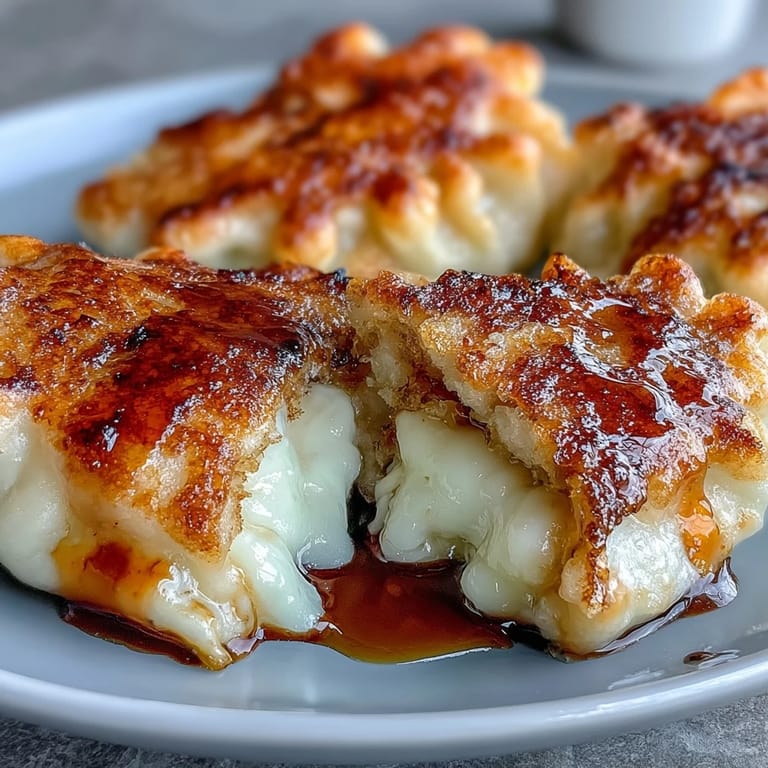
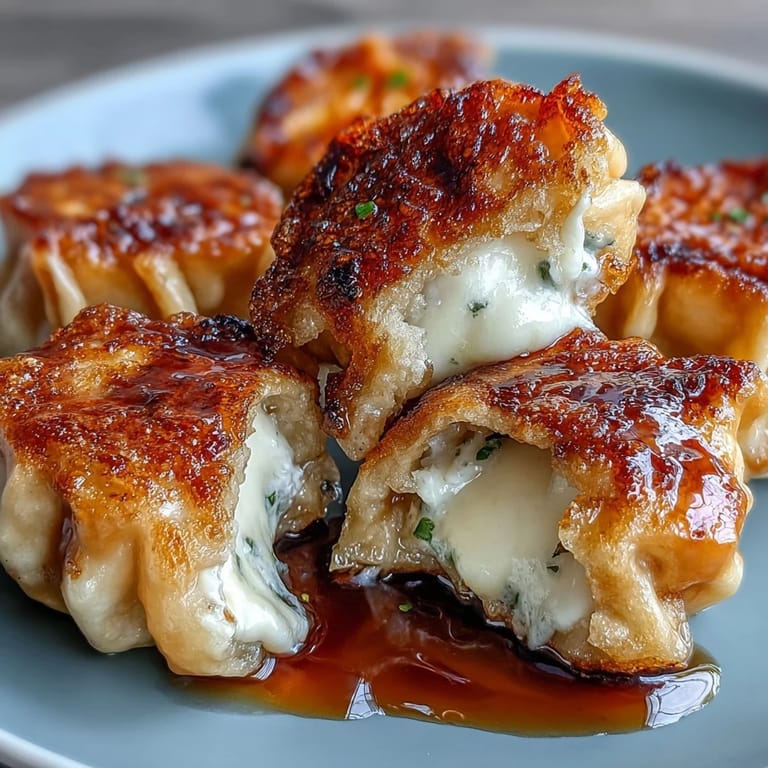
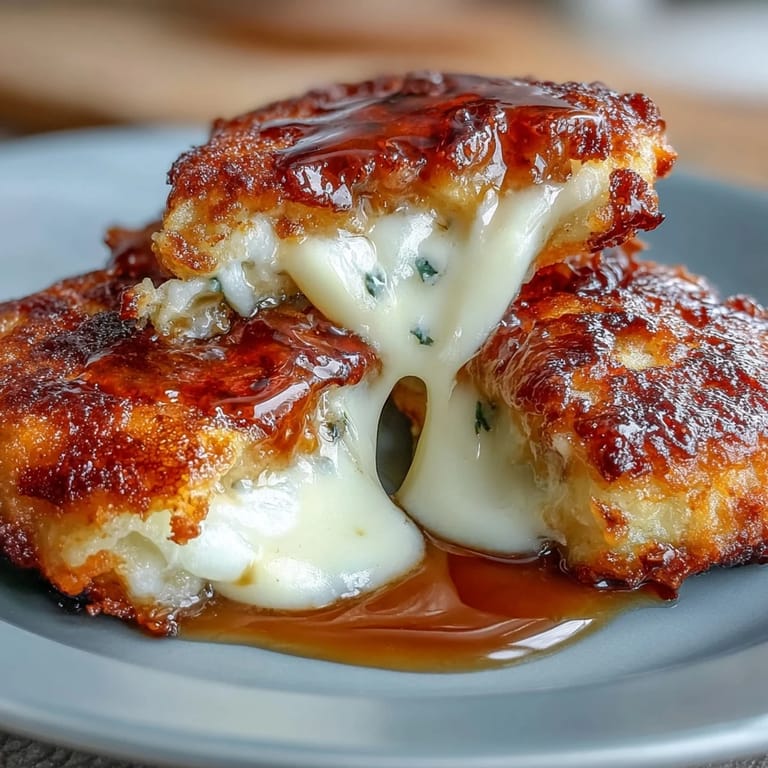
 My skillet was too hot the first time I tried making imomochi, and the outsides burned before the cheese inside could even think about melting. I learned patience that night, standing over the stove with a spatula, realizing that good things really do take medium heat and a little faith. The smell of caramelizing potato starch mixed with soy and honey is now one of my favorite kitchen scents. These little dumplings have this magical texture, crispy on the outside, stretchy and soft inside, with molten cheese waiting to surprise you. They've become my go-to when I want something cozy but don't want to spend an hour in the kitchen.
I made these for a small gathering once, and they disappeared faster than anything else on the table. People kept asking what they were, poking at the golden crusts with chopsticks, then gasping when the cheese stretched out. One friend said they tasted like a hug, which felt about right. I've made them dozens of times since, sometimes with cheddar when I'm out of mozzarella, sometimes with a sprinkle of sesame seeds because I like the crunch. They're the kind of recipe that feels impressive but secretly takes less effort than it looks.
Ingredients
- Russet potatoes: Their starchy texture is key to getting that chewy, mochi-like consistency, so don't swap them for waxy varieties.
- Potato starch or cornstarch: This is what gives the dough its stretch and chew, binding everything without making it gummy.
- Unsalted butter: Just a tablespoon adds richness and a slight creaminess to the mashed potato base.
- Salt: Balances the sweetness of the glaze and brings out the flavor of the potatoes.
- Mozzarella cheese: Melts beautifully and creates those dramatic cheese pulls, but cheddar or gouda work if you want something sharper.
- Soy sauce: The salty backbone of the glaze, adding umami depth to every bite.
- Honey: Brings sweetness and helps the glaze cling and caramelize on the dumplings.
- Mirin: A subtle sweetness and slight acidity that rounds out the glaze perfectly.
- Rice vinegar: Cuts through the richness and keeps the glaze from feeling too heavy.
- Neutral oil: For frying without adding competing flavors, letting the glaze and cheese shine.
Tired of Takeout? 🥡
Get 10 meals you can make faster than delivery arrives. Seriously.
One email. No spam. Unsubscribe anytime.
Instructions
- Boil the potatoes:
- Drop the peeled, chopped potatoes into salted boiling water and cook until a fork slides through easily, about 12 to 15 minutes. Drain them well so no excess water dilutes your dough.
- Mash and season:
- While the potatoes are still steaming hot, mash until completely smooth, then stir in the butter and salt. The heat helps the butter melt right in and makes everything silky.
- Form the dough:
- Add the potato starch and knead gently until a soft, slightly sticky dough comes together. If it's too wet, sprinkle in a bit more starch until it's workable but still tender.
- Wrap the cheese:
- Divide the dough into 8 equal pieces, flatten each into a small disc, and tuck a cube of cheese in the center. Pinch the edges up and around, sealing it completely so the cheese doesn't escape during cooking.
- Pan-fry until golden:
- Heat the oil in a nonstick skillet over medium heat, add the dumplings, and turn them every couple of minutes until every side is crisp and golden brown. This takes about 6 to 8 minutes and fills your kitchen with the best smell.
- Glaze and serve:
- Mix the soy sauce, honey, mirin, and rice vinegar in a small bowl, pour it into the skillet, and toss the dumplings gently to coat. Let it bubble and thicken for a minute or two, then serve them warm with the glossy glaze clinging to every surface.
 Pin It
 There was an evening when I made these on a whim after a long day, and the act of shaping each dumpling felt almost meditative. The repetitive motion of flattening, filling, sealing, the warmth of the dough in my hands, it was exactly what I needed. When I bit into the first one, cheese stretching between my fingers, I realized that sometimes the best meals are the ones you make just for yourself. These dumplings have a way of turning a quiet night into something special.
Choosing Your Cheese
Mozzarella is classic for a reason, it melts smoothly and stretches beautifully without being too strong. But I've had great results with cheddar when I wanted something sharper, and gouda when I was feeling fancy. The key is to cut the cheese into cubes small enough to tuck inside without breaking the dough. If you're going vegan, most plant-based mozzarella alternatives work just fine, though they don't always stretch as dramatically.
Getting the Texture Just Right
The magic of imomochi is all in that chewy, mochi-like bounce, and that comes from the potato starch. If your dough feels too wet, add starch a teaspoon at a time until it's soft but not sticky. If it's too dry and cracking, a tiny splash of water or a dab more butter can bring it back. I've learned to trust the feel of the dough in my hands more than any measurement.
Serving and Storing
These are best eaten fresh and warm, right when the glaze is still glossy and the cheese inside is molten. If you have leftovers, they keep in the fridge for a day or two and reheat well in a skillet over low heat. I like to sprinkle sliced scallions or toasted sesame seeds on top just before serving for a little extra color and crunch.
- Serve them as an appetizer with a light cucumber salad to balance the richness.
- They're also great as a snack with a cup of green tea on a quiet afternoon.
- If you're making them ahead, shape the dumplings and refrigerate them on a tray, then fry and glaze just before serving.
 Pin It
 Every time I make these, I'm reminded that the best recipes are the ones that feel like a small celebration, even on the most ordinary days. I hope these little dumplings bring you the same kind of warmth they've brought me.
Recipe Questions & Answers
- → Can I make these ahead of time?
Yes, you can shape the dumplings and refrigerate them for up to 24 hours before frying. Cook them directly from the fridge, adding a minute or two to the pan-frying time.
- → What type of cheese works best?
Mozzarella melts beautifully and creates a wonderful cheese pull. Cheddar or gouda offer richer flavor, while plant-based cheese works for a vegan version.
- → Can I use regular flour instead of potato starch?
Potato starch or cornstarch is preferred for the authentic chewy texture. All-purpose flour will work but results in a slightly different, less elastic consistency.
- → How do I prevent the dumplings from sticking to the pan?
Use a nonstick skillet with adequate oil and ensure the pan is properly heated before adding the dumplings. Avoid moving them too frequently during the first few minutes.
- → What can I serve these with?
These are delicious on their own as a snack or appetizer. Pair them with a fresh salad, pickled vegetables, or serve alongside other Japanese small plates for a complete meal.
- → How do I store leftovers?
Store cooled dumplings in an airtight container in the refrigerator for up to 3 days. Reheat in a skillet over medium heat until warmed through and crispy again.