 Pin It
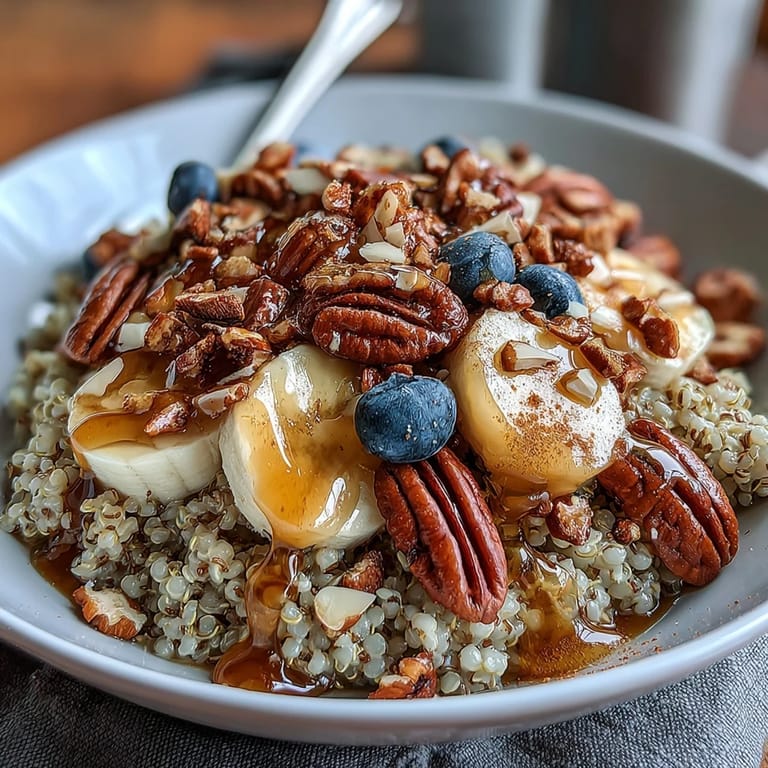
 There's something quietly magical about buckwheat groats—they taste nothing like their name suggests, with this warm, almost earthy nuttiness that surprised me the first time I actually bothered to cook them properly. My partner grabbed a box at the farmers market one Saturday morning, and I skeptically boiled them like pasta until they turned to mush, but that wasn't the point at all. Once I learned to treat them gently, letting them steam into tender little kernels, breakfast became something I actually looked forward to making. This bowl comes together in barely twenty minutes and feels less like obligation and more like you're doing something kind for yourself before the day even starts.
I made this for my mom on a random Tuesday when she was visiting, and she sat at the kitchen counter watching the steam rise off the pot, asking questions about every ingredient like she was solving a puzzle. By the end of breakfast, she was scribbling the recipe into her phone, which felt like the ultimate compliment coming from someone who'd raised me on conventional oatmeal. Since then, it's become our ritual when she comes to stay—I wake up early, get the groats going, and we eat slowly while the house is still quiet.
Ingredients
- Buckwheat groats (raw, hulled): The heart of this dish—rinse them thoroughly because they can carry a dusty residue that you definitely don't want lingering in your mouth.
- Water: Use filtered if you can taste the difference in your tap water, as it's literally half the liquid base.
- Salt: Just a pinch, but essential for bringing out the groats' natural flavor instead of letting them taste flat and one-dimensional.
- Mixed nuts: Almonds, walnuts, and pecans give you different textures and flavors—don't skip toasting them briefly in a dry pan if you have two extra minutes, it wakes them up.
- Fresh fruit: Berries, bananas, apples, pears—whatever's at peak ripeness in your kitchen, because that's where the magic comes from.
- Honey or maple syrup: Optional but not really, if you ask me—a drizzle makes it feel intentional rather than virtuous.
- Ground cinnamon: A half teaspoon seems small but it transforms the whole bowl into something that smells like autumn comfort.
- Milk or plant-based milk: Pour it warm over the top if you want it creamy, or skip it if you prefer the groats drier and more defined.
Tired of Takeout? 🥡
Get 10 meals you can make faster than delivery arrives. Seriously.
One email. No spam. Unsubscribe anytime.
Instructions
- Rinse and prepare:
- Run cold water over the groats in a fine mesh strainer, letting the water run clear—this removes any dusty coating and helps them cook evenly. It takes about thirty seconds and makes a real difference in the final taste.
- Combine and bring to a boil:
- Pour the rinsed groats into a medium saucepan with water and salt, then turn the heat to medium-high and let it come to a rolling boil—you'll see the water surface ripple and hear a gentle bubbling that means you're ready for the next step.
- Simmer gently:
- Drop the heat low, cover the pot, and let it sit undisturbed for ten to twelve minutes—the groats will absorb all the water and become tender without falling apart into mush. Resist the urge to peek more than once or twice.
- Rest and fluff:
- Turn off the heat and leave the lid on for five minutes, which lets any remaining steam finish its work. Then use a fork to gently separate the groats, turning them light and separate rather than clumpy.
- Divide and assemble:
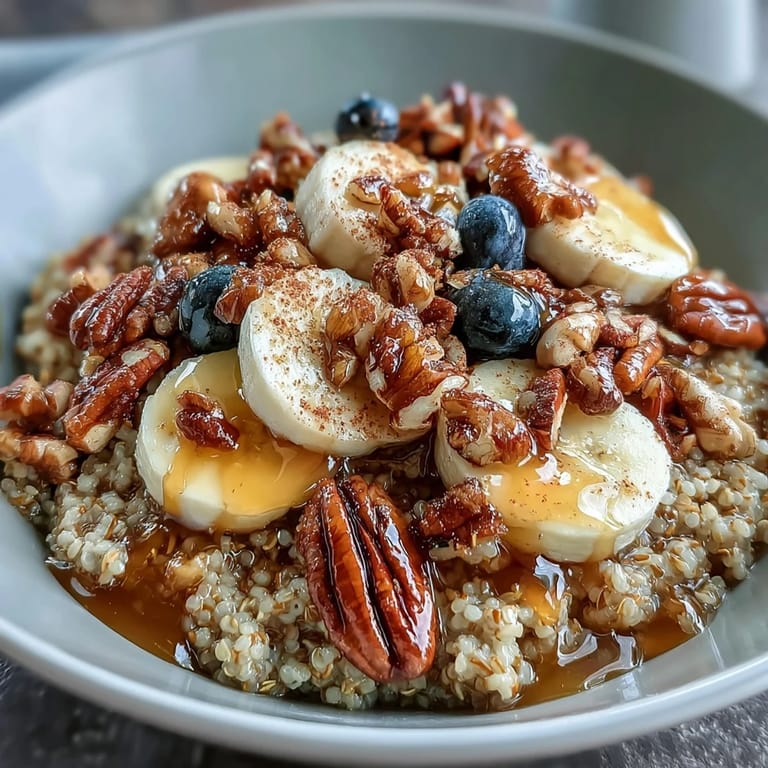
- Spoon the warm buckwheat into two bowls, then scatter your chopped nuts and fresh fruit across the top—this moment is where it stops being breakfast and becomes something you actually want to eat.
- Finish and serve:
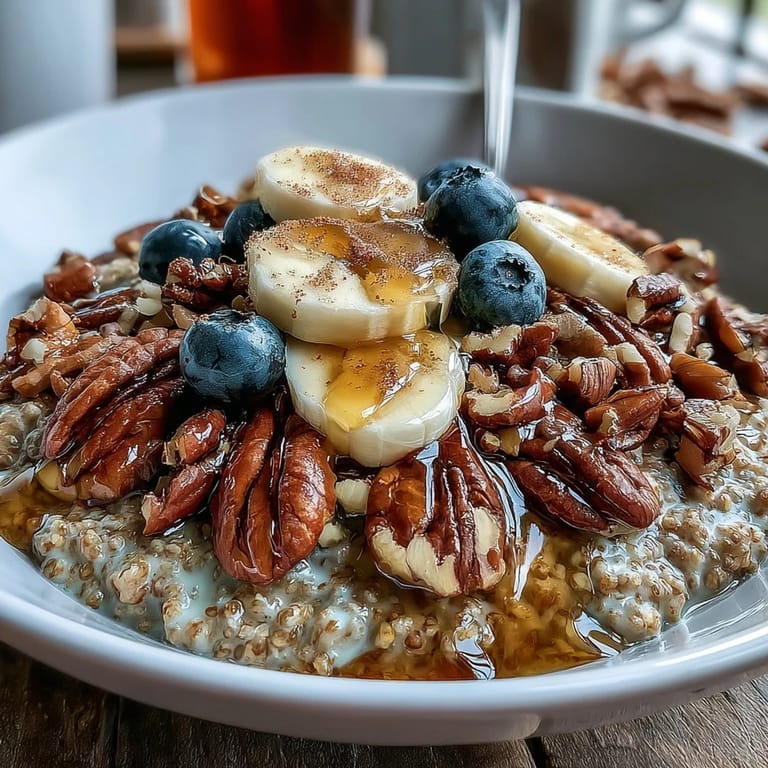
- Drizzle with honey or maple syrup if that's your style, dust with cinnamon, then pour milk over everything if you like it creamy, or leave it as is if you prefer the texture of the groats to shine through.
 Pin It
 There was this morning last spring when I made this for myself before an early meeting, and I sat on my apartment steps eating straight from the bowl, watching the light change in the trees across the street. The buckwheat was still warm, the berries were in season and actually tasted like something, and for five minutes I wasn't thinking about emails or schedules. That's when I realized this wasn't just a healthy breakfast—it was a small act of attention in the middle of a rushed week.
On Choosing Your Toppings
The real art of this bowl is in understanding that buckwheat is a neutral, nutty canvas that wants to be dressed up, not a spotlight ingredient that needs to stand alone. I've found that mixing at least three different textures—something crunchy, something soft, something juicy—makes each spoonful feel different and keeps you from getting bored halfway through. Seasonal fruit makes the biggest difference here, because in-season berries taste like themselves, while out-of-season ones taste like polite disappointment wrapped in plastic.
Why Buckwheat Actually Matters
Buckwheat gets confused with wheat all the time, but it's actually a seed from a flowering plant and completely gluten-free, which means it's one of those rare ingredients that doesn't require you to choose between health and actual enjoyment. It's been eaten in Eastern Europe and Asia for centuries, and somewhere along the way, Western breakfast culture forgot about it in favor of oats and granola. What drew me back to it was pure curiosity, but what kept me making it was the realization that it tastes substantial and nourishing without any of the heaviness that comes with traditional grain-heavy breakfasts.
Making It Your Own
Once you've made this bowl a few times and understand how the buckwheat cooks and what flavors work together, you can start playing with it—swap maple syrup for honey, add chia seeds for texture, dust with cardamom instead of cinnamon, or even try roasted buckwheat (kasha) for a deeper, toastier flavor that tastes almost like toasted bread. I've experimented with shredded coconut mixed into the warm groats, flaxseed sprinkled on top, and even a drizzle of almond butter that melts into warm groats like a dream. The beauty of this recipe is that it's flexible enough to feel different every time while still being quick enough to make on a regular Tuesday morning.
- Roasted buckwheat (kasha) gives you a deeper, almost popcorn-like flavor if you want to try something different.
- Leftover cooked groats keep in the fridge for three days and reheat beautifully with a splash of milk and five minutes of gentle warming.
- Toast your nuts briefly in a dry pan before chopping if you have two extra minutes—it brightens their flavor tremendously.
 Pin It
 This bowl has quietly become my favorite kind of breakfast because it asks nothing of you except twenty minutes and the willingness to eat something that tastes like care. Making it once will convince you—making it twice will make it a habit.
Recipe Questions & Answers
- → What do buckwheat groats taste like?
Buckwheat groats have a distinct nutty, earthy flavor with a slightly grainy texture. When cooked, they become tender yet maintain a pleasant chewiness similar to steel-cut oats but with a more robust taste profile.
- → Do I need to soak buckwheat groats before cooking?
No soaking is required for raw hulled buckwheat groats. Simply rinse them thoroughly under cold water to remove any debris, then cook directly in water. The simmering process softens them perfectly in about 10-12 minutes.
- → Can I make this ahead of time?
Absolutely! Cooked buckwheat stores well in the refrigerator for up to 4 days. Reheat portions with a splash of milk or water to restore creaminess. You can also prepare a large batch at the start of the week for quick morning assembly.
- → What fruits work best with buckwheat?
Berries, sliced bananas, diced apples, pears, and stone fruits all pair beautifully with buckwheat's nutty flavor. Fresh fruit adds brightness and natural sweetness, while dried fruits like raisins or chopped dates offer concentrated sweetness and chewy texture.
- → Is buckwheat gluten-free?
Yes, buckwheat is naturally gluten-free despite containing 'wheat' in its name. It's actually a fruit seed related to rhubarb, making it an excellent grain alternative for those avoiding gluten. Always check labels to ensure no cross-contamination during processing.
- → Can I use roasted buckwheat (kasha) instead?
You can substitute kasha for raw groats, but note that roasted buckwheat has a stronger, toastier flavor and slightly firmer texture. Reduce cooking time slightly since kasha is already partially cooked during the roasting process.